



To More Inquiry
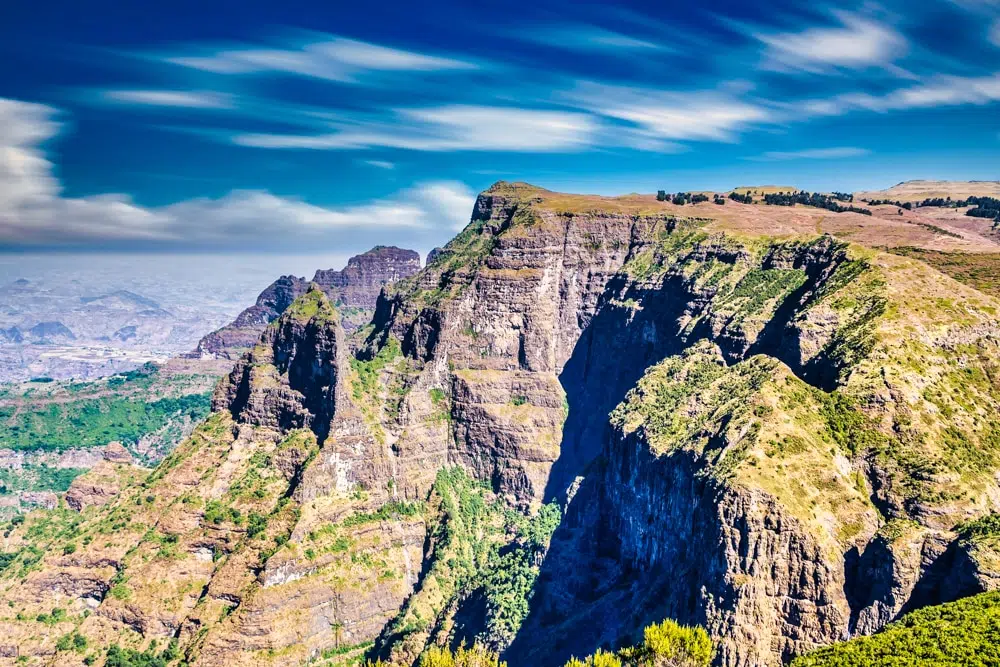
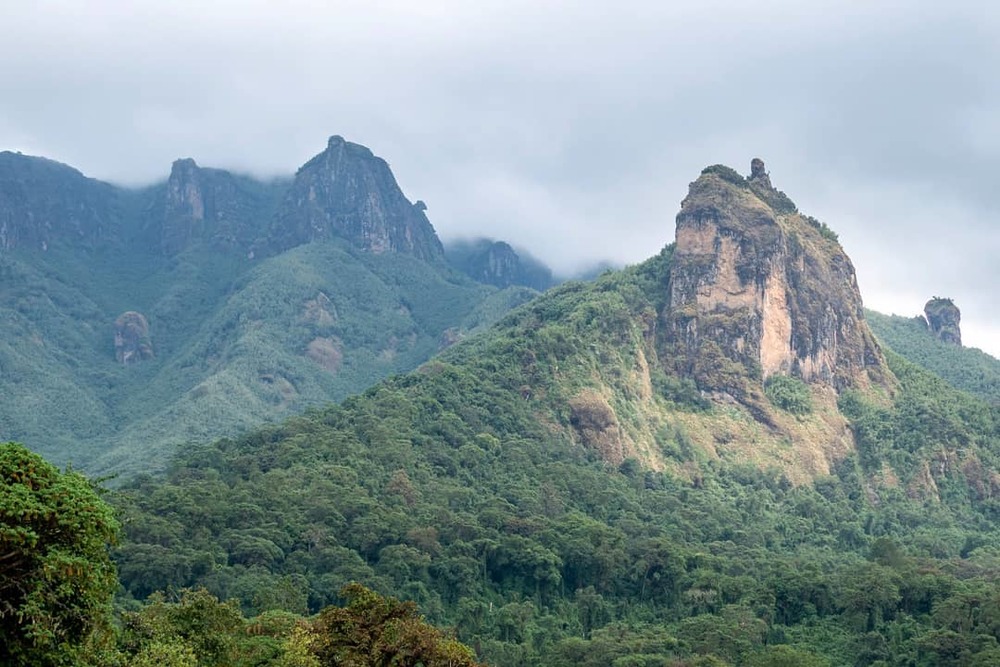
The remarkable Bale Mountains National Park is amazing wildlife hotspot in Ethiopia and a national and global treasures of biodiversity, teeming with dozens of endemic mammal, bird, and plant species. A fascinating mountain range in Ethiopia, the Bale Mountains National Park is the best place to see the endangered Ethiopian wolf, Mountain Nyala, the endemic Bale Monkey and plenty of other unique animals. Bale Mountains National park is located in southeastern Ethiopia, 400 km southeast of Addis Ababa and encompasses an area of approximately 2,150 square kilometers. The Bale Mountains are part of the Bale-Arsi massif, which forms the western section of the southeastern Ethiopian Highlands. The park covers the largest area higher than 3,000m above sea level in Africa. The highest peak in the Bale Mountains Park, Tullu Dimtuu, at an altitude of 4,377m is the second highest peak in Ethiopia. The park includes an Afroalpine plateau over 3,500m which is the largest area of Afroalpine habitat on the African continent, as well as a major section of moist tropical forest, the second largest in Ethiopia. The park’s Afro-montane habitats have one of the highest incidences of animal endemicity of any terrestrial habitat in the world. Habitats of the Bale Mountains National Park range from grassland areas around 3,000 meters in elevation to Mount Tulu Demtu, the second-highest point in Ethiopia at 4,377 meters above sea level.

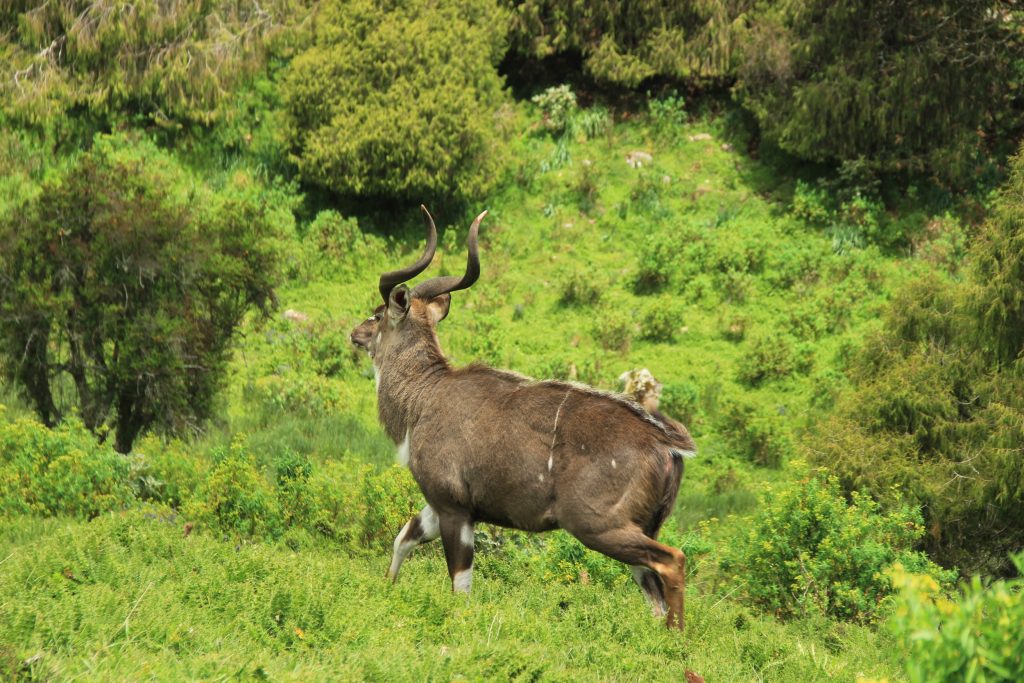
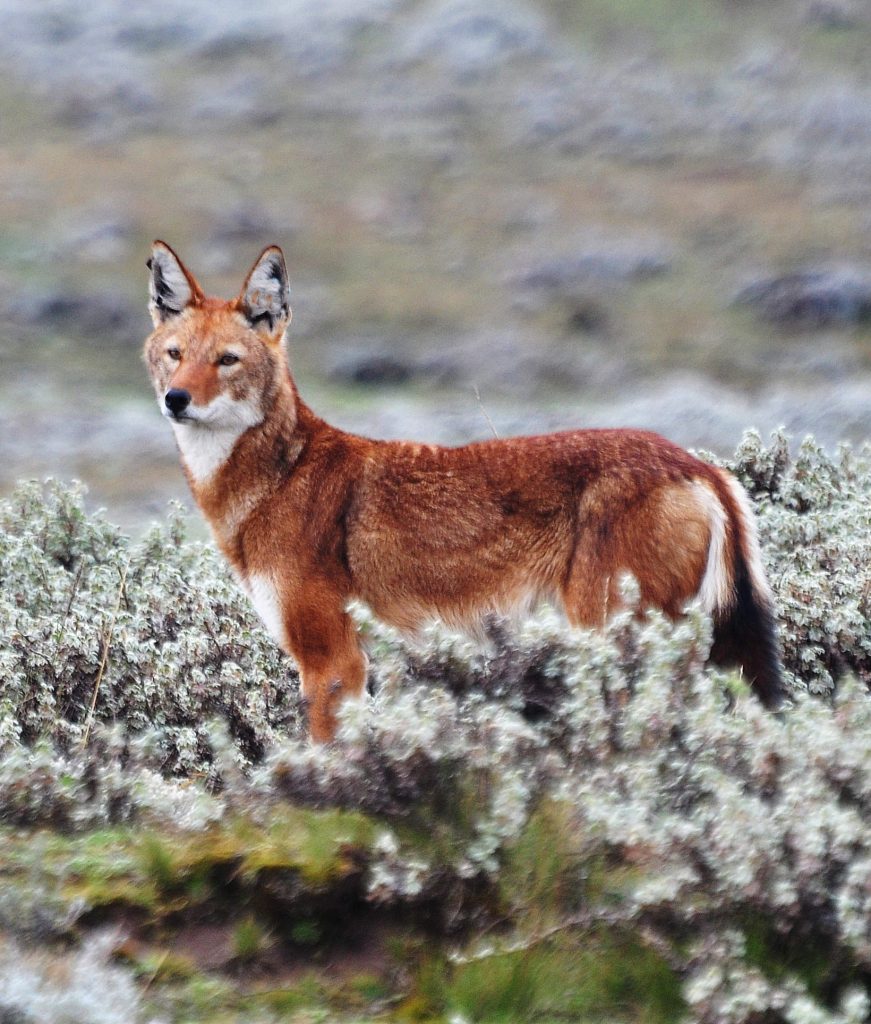
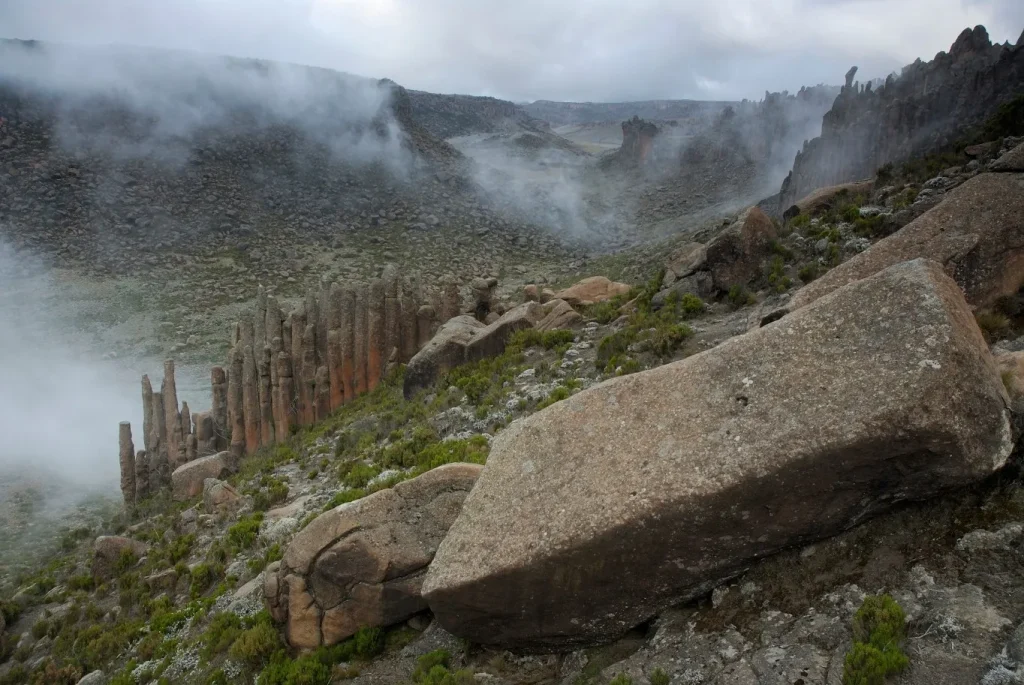
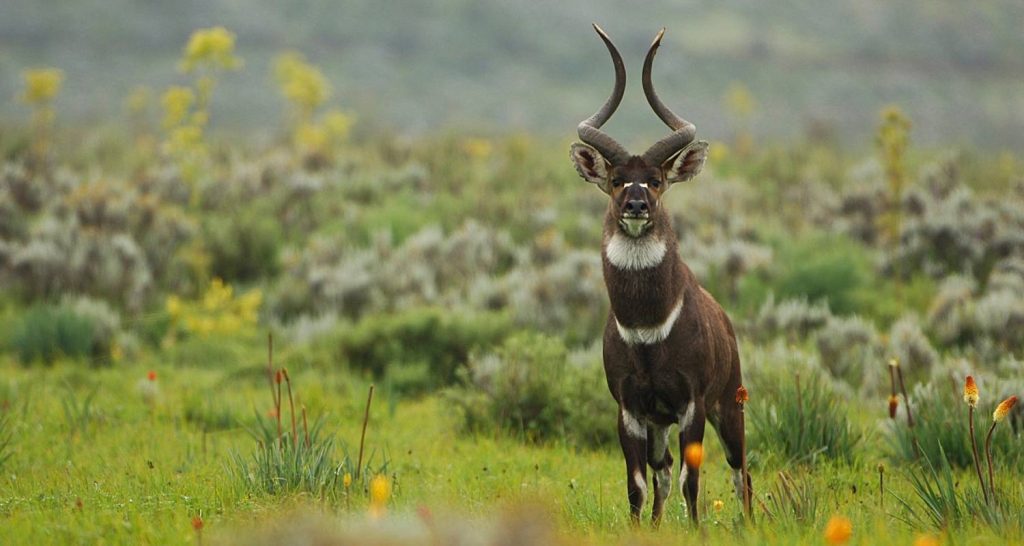
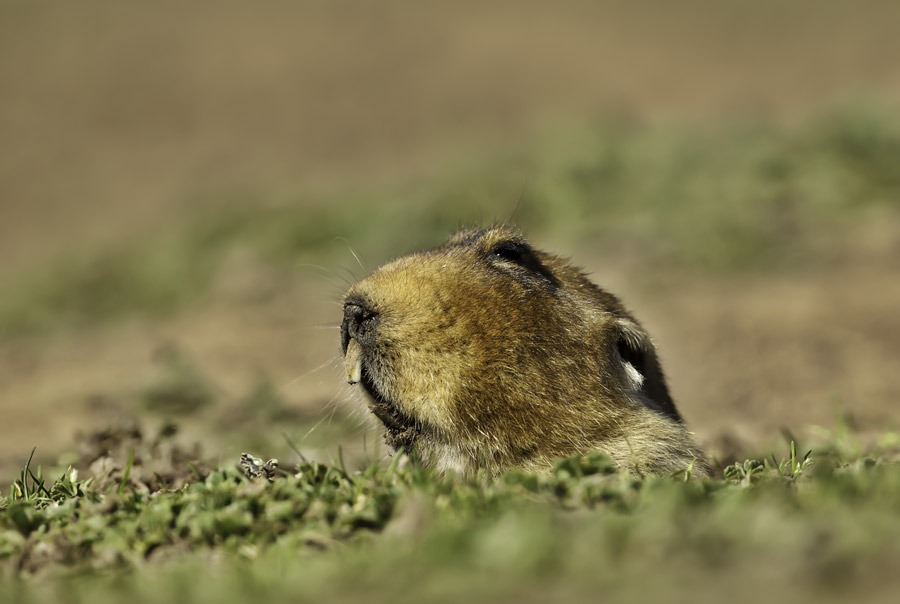
Visitors will admire three different landscapes in Bale Mountains National Park. In the north near Dinsho between 2.500 and 3.300 meters altitude, there is a lowland forests and valleys with several rivers and waterfalls. In this region there are lots of special trees such as the Hagenia Abyssinica and junipers Procera. The famous Sanetti Plateau is situated in the heart of the park, and is the location for many a nature documentary, in which the Ethiopian wolf often plays a lead role. This predator only lives in this alpine region. The trees and plants have adapted to the cold and wet climate. Many of these species have gotten smaller, but the impressive Giant Lobelia plant can reach up to five metres The third ecosystem in Bale is the Harenna Forest, a humid, subtropical and extremely dense forest, with a few grassy plains. This forest in the south of the park is full of bamboo, and other kinds of flora that only grows in Ethiopia. This forest is the home for the endemic Bale Monkey. Bale Mountains National Park is home to 1,321 species of flowering plants, 163 of which are endemic to Ethiopia, and 23 to Bale alone. The forests of the Bale Mountains are important for genetic stocks of wild forest coffee and for medicinal plants in Ethiopia. In addition, the park holds 26% of Ethiopia’s endemic species including one primate, one bovid, one hare, eight rodent species, and the entire global population of the big-headed African mole-rat. There are also several rare and endemic amphibians.


TAXES INCL/PERS
TAXES INCL/PERS

To receive our best monthly deals

