
To More Inquiry

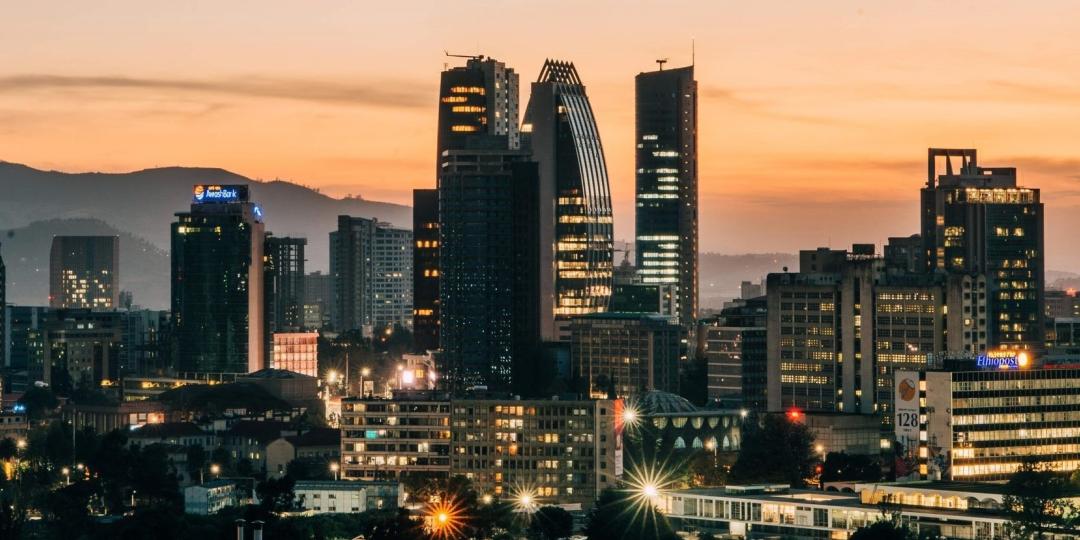
We offer half-day and full-day city tours, tailored to your interests. Despite being a relatively new capital, Addis Ababa has a wealth of interesting museums and historic sights to visit. Make the most of your time in the city by taking one of our guided tours to see some of the highlights of what Addis has to offer.
To start the tour, your guide will meet you at your hotel, the airport or other pre-arranged start point. Morning tours generally start at 8:30am and afternoon tours at 2pm. From there, you'll head to the National Museum or other museum of your choice (see options below). The National Museum is the oldest museum in Ethiopia. Its most famous exhibit is "Lucy", the 3.5 million year old skeleton whose discovery in 1974 demonstrated that bipedal hominids evolved much earlier than previously thought. The museum also holds many other palaeontological and archaeological artifacts, as well as ethnographic and modern art displays. After the museum, there will be the chance to visit Holy Trinity Cathedral, built to commemorate Ethiopia's emancipation from the Italian occupation. The cathedral is an important focal point for the Ethiopian Orthodox church. As a place of worship, it is considered second only to the Church of Our Lady Zion in Axum (where the original Ark of the Covenant is believed to be held). The Cathedral also has its own museum with interesting artifacts from the history of the Ethiopian Church. Alternatively, you can choose to visit Entoto mountain or St George's Cathedral instead of Holy Trinity (see options below). Next, you will visit the Mercato, reputedly the largest market in Africa. The Mercato is the commercial hub of Addis Ababa. A close-knit grid of streets crammed with stalls, kiosks and shops, you can buy virtually anything here, but be prepared to negotiate! Alternatively, you can choose to visit Shero Meda, a more traditional market, or seek out Addis' best souvenir shops. Morning tours finish off with lunch before returning to your hotel at around 1pm. Afternoon tours finish with either a traditional coffee ceremony or a trip to Tomoca, Ethiopia's most famous coffee shop, before returning to your hotel at around 6:30pm.
To start the tour, your guide will meet you at your hotel, the airport or other pre-arranged start point. Tours usually start at 8:30am. From there, you'll head to the National Museum or other museum of your choice (see options below). The National Museum is the oldest museum in Ethiopia. Its most famous exhibit is "Lucy", the 3.5 million year old skeleton whose discovery in 1974 demonstrated that bipedal hominids evolved much earlier than previously thought. The museum also holds many other palaeontological and archaeological artifacts, as well as ethnographic and modern art displays. After the museum, there will be the chance to visit Holy Trinity Cathedral, built to commemorate Ethiopia's emancipation from the Italian occupation. The cathedral is an important focal point for the Ethiopian Orthodox church. As a place of worship, it is considered second only to the Church of Our Lady Zion in Axum (where the original Ark of the Covenant is believed to be held). The Cathedral also has its own museum with interesting artifacts from the history of the Ethiopian Church. Alternatively, you can choose to visit St George's Cathedral or instead of Holy Trinity (see options below). Next, there is the chance to see some of Addis' monuments commemorating important people and events or periods in Ethiopia's history. This is followed by lunch with a choice of traditional or western food and then a trip to Tomoca, Ethiopia's most famous coffee shop. After lunch, you'll visit Entoto mountain, the site where Menelik II established his capital. Entoto mountain offers excellent views across Addis Ababa and its surroundings, and a breath of (relatively) fresh air after the hussle and bussle of the city. You can visit Menelik II's palace, the church of St. Mary and the Entoto museum. Returning from Entoto, there is the chance to stop at the traditional market of Shero Meda, before heading to the Mercato area of town. The Mercato is reputedly the largest market in Africa, and is the commercial hub of Addis Ababa. A close-knit grid of streets crammed with stalls, kiosks and shops, you can buy virtually anything here, but be prepared to negotiate! The tour ends with return to your hotel at around 6:30pm.
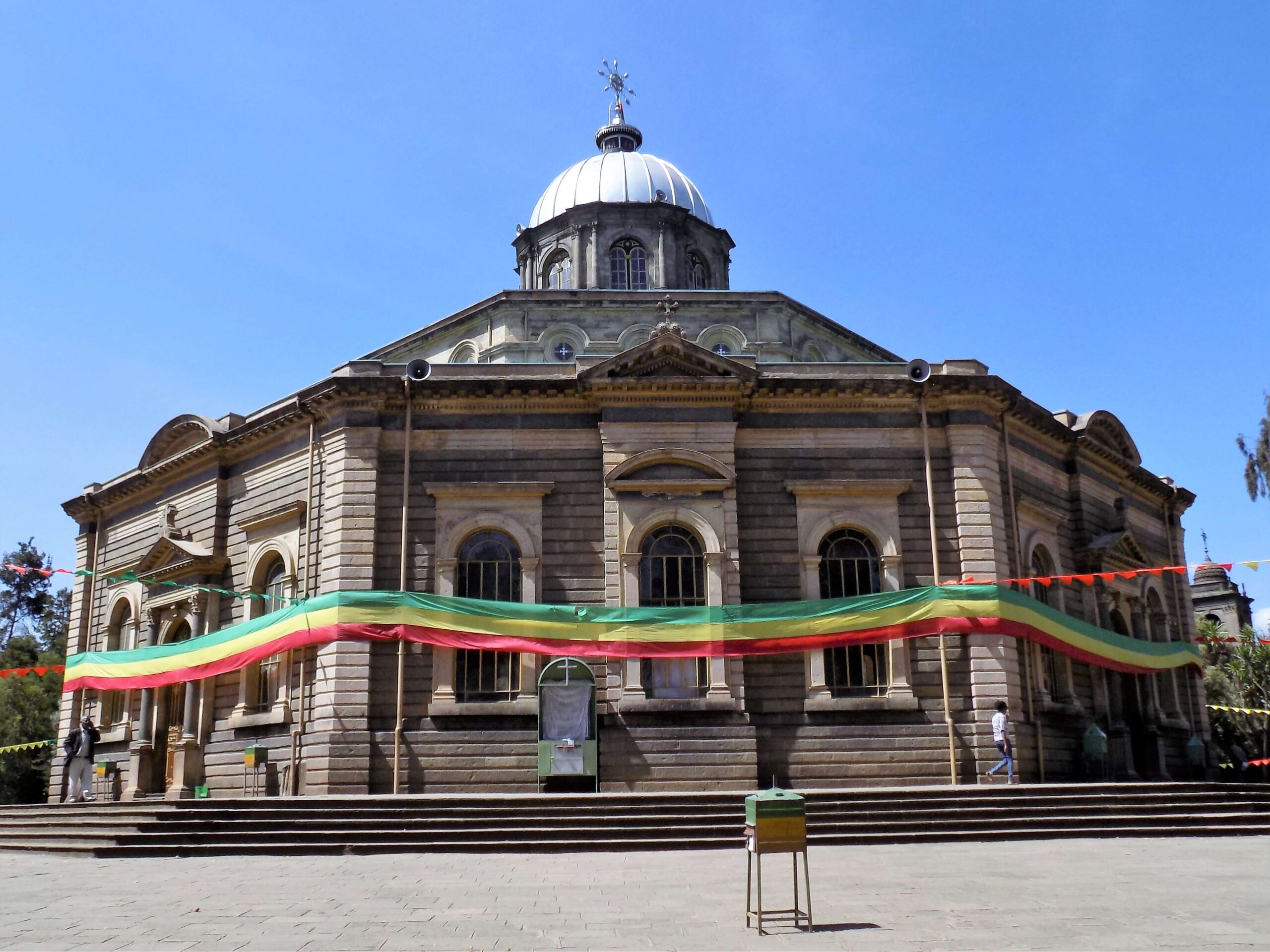
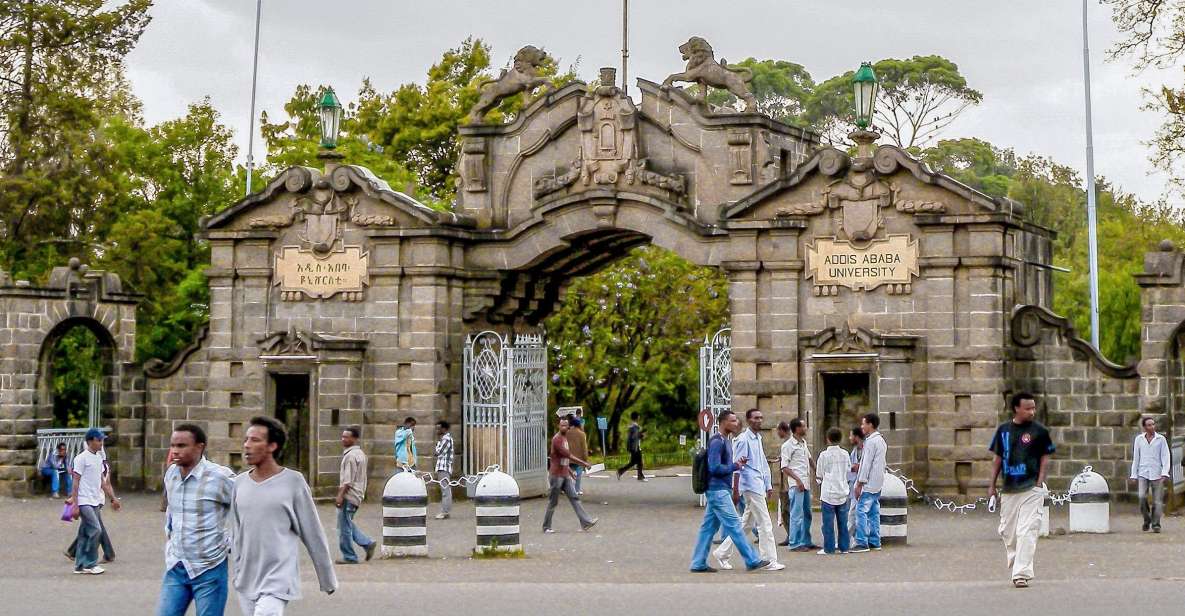
The National Museum of Ethiopia: The oldest museum in Ethiopia, its most famous exhibit is "Lucy", the 3.5 million year old skeleton whose discovery in 1974 demonstrated that bipedal hominids evolved much earlier than previously thought. The museum also holds many other palaeontological and archaeological artefacts, as well as ethnographic and modern art displays. The Ethnographic Museum: Housed in Emperor Haile Salassie's former Palace, this museum is dedicated to preserving the traditional art, languages and cultures of Ethiopia's many ethnic groups. The Red Terror Museum: This interesting, yet chilling museum documents the events of the Ethiopian "Red Terror" activities which took place in 1977-8 under the brutal regime of Mengistu Haile Mariam. During this time, an estimated 500,000 people who opposed the regime were killed, with countless others assaulted, injured and mutilated. The museum's motto is "never, ever again". The Ethiopian National Postal Museum: This quirky museum contains every design of Ethiopian stamp from 1894 to the present day, including many of the artist's original drawings and proofs. The designs reveal a huge amount about the country's past economic, political, social and cultural life. Addis Ababa Museum: Housed in one of the oldest buildings in the city, which was originally home to one of Menelik II's warlords, this museum charts the history of Addis Ababa from its foundation in 1886, through to the present day. The Zoological Natural History Museum: Part of the Natural Sciences department of Addis Ababa University, this museum intends to serve as a reference collection of all animal species of Ethiopia. Church/Cathedral options: Holy Trinity Cathedral and Museum: Built to commemorate Ethiopia's emancipation from the Italian occupation, the cathedral is an important focal point for the Ethiopian Orthodox church. As a place of worship, it is considered second only to the Church of Our Lady Zion in Axum (where the original Ark of the Covenant is believed to be held). Entoto Mountain and Museum: The site where Menelik II established his capital, Entoto mountain offers excellent views across the Addis Ababa and its surroundings, and a breath of (relatively) fresh air after the hussle and bussle of the city. Visit Menelik II's palace, the church of St. Mary and the Entoto museum. St George's Cathedral and Museum: Following Menelik II's defeat of the Italians at Adowa, he ordered the construction of this cathedral in honor of St George, whose flag he had carried on the battlefield. The cathedral was rebuilt in the early 1920s under Emperor Haile Selassie. St George continues to be considered patron and savior of the nation. The museum holds many exhibits related to the cultural traditions of the Ethiopian Orthodox Church.
Reserve your ideal trip early for a hassle-free trip; secure comfort and convenience!
To receive our best monthly deals