




- 378 Views
- 4 Min Read
- (22) Comments
Are you thinking of visiting Ethiopia? Are you interested in coffee tour and want to learn about the unique coffee ceremonies in Ethiopia?
Ethiopia is a land of many wonders, from its stunning landscapes to its rich history and culture. But perhaps one of the most unique and immersive cultural experiences you can have in Ethiopia is the coffee ceremony. This traditional ceremony has been an integral part of Ethiopian culture for centuries, and it’s a fascinating way to learn more about the country’s history, people, and customs.
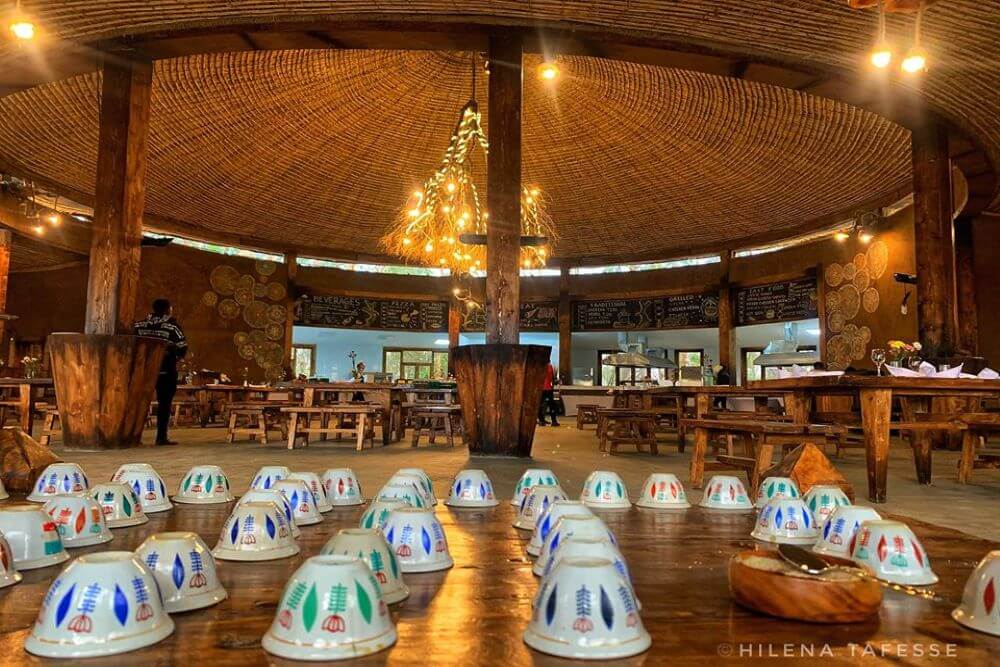
The coffee ceremony in Ethiopia is a beautiful and integral part of the country’s cultural heritage. The ceremony involves elaborate rituals that honor the coffee and the guests, and it’s a symbol of hospitality, friendship, and community. The ceremony typically takes place in a special room of the home, and guests are encouraged to engage with their hosts and learn more about the coffee and its significance in Ethiopian culture.
If you’re planning a trip to Ethiopia, experiencing the coffee ceremony is a must. It’s an amazing opportunity to explore the culture and traditions of this unique country, and to connect with the people who call it home. There are many places throughout Ethiopia where you can experience the coffee ceremony, each with their own unique take on the tradition. In the coming topics, we’ll take a closer look everything about the coffee ceremony in Ethiopia.
Traditional Ethiopian Coffee Ceremony
The traditional Ethiopian coffee ceremony is a unique and captivating experience that you simply cannot miss. The ceremony is steeped in tradition and begins with the roasting of raw coffee beans over an open flame. The roasting process produces a rich, smoky aroma that fills the air and sets the stage for the rest of the ceremony.
Once the coffee beans are roasted, they are ground by hand using a wooden mortar and pestle. This can be a labor-intensive process, but it is an important part of the ceremony and adds to the overall ambiance. The ground coffee is then placed in a jebena, a traditional clay pot with a narrow spout, and boiled over a charcoal fire.
As the coffee brews, guests are often offered snacks and sweets to enjoy. Once the coffee is ready, it is poured into small cups and served to each guest. It is customary to drink at least three cups of coffee during the ceremony, as this is considered a sign of respect and hospitality.
Throughout the ceremony, you will be treated to the beautiful sights and sounds of Ethiopian culture. You may hear traditional music and singing, and will see the intricate decorations and colorful clothing worn by the hosts. The ceremony is a true feast for the senses, and a wonderful way to immerse yourself in the local culture.

Types of Coffee Grown in Ethiopia
Ethiopia is renowned for producing some of the world’s finest and most diverse coffee beans. There are several types of coffee grown in Ethiopia, each with its own unique flavor and aroma. Here are some of the most popular varieties of coffee grown in Ethiopia:
Sidamo: This coffee is grown in the southern region of Ethiopia, and is known for its rich, smooth flavor with hints of berries and chocolate. It has a medium body and bright acidity.
Harrar: Grown in the eastern part of Ethiopia, Harrar coffee is known for its strong, bold flavor with notes of wine and fruit. It has a full body and is often described as having a “wild” taste.
Yirgacheffe: This coffee is grown in the Gedeo zone of southern Ethiopia, and is considered one of the best coffees in the world. It has a delicate and floral aroma, with a fruity and spicy flavor profile. It has a light body and bright acidity.
Limu: This coffee is grown in the Limu region of Ethiopia, and is known for its bright and fruity flavor, with notes of citrus and floral tones. It has a medium body and a sweet finish.
Jimma: Grown in the Jimma region of Ethiopia, this coffee has a medium to full body and a mild, balanced flavor with subtle hints of chocolate and fruit.
Visitors to Ethiopia can experience the rich variety of Ethiopian coffee by visiting local cafes, attending coffee ceremonies, or even touring coffee farms and plantations to see how the beans are grown and harvested.


Comments (22)
az8888vip,
06 June, 2026Finally found a place that actually treats its VIP players right. The bonuses are generous and the games load instantly. Check out az8888vip if you want a premium feel.
coroyalbet,
06 June, 2026The interface is so clean and easy to navigate. I had a great experience with the customer support team too. Definitely sticking with coroyalbet from now on.
bdgwinloginindia,
06 June, 2026Great to see a platform that caters so well to the local community. The login is secure and the customer support is very responsive. Five stars from me! bdgwinloginindia
acyclovir pronunciation in hindi,
05 May, 2026acyclovir pronunciation in hindi
acyclovir pronunciation in hindi
minoxidil beard studies,
05 May, 2026minoxidil beard studies
minoxidil beard studies
bupropion dextromethorphan,
05 May, 2026bupropion dextromethorphan
bupropion dextromethorphan
Ann4406,
05 May, 2026https://shorturl.fm/xRQmK
metronidazole 500mg price,
05 May, 2026metronidazole 500mg price
metronidazole 500mg price
Aubrey791,
05 May, 2026https://shorturl.fm/r6v2R
finnes semaglutid i mat,
05 May, 2026finnes semaglutid i mat
finnes semaglutid i mat
famotidine usp monograph,
04 April, 2026famotidine usp monograph
famotidine usp monograph
viagra pill purchase,
04 April, 2026viagra pill purchase
viagra pill purchase
tadalafil heart failure,
04 April, 2026tadalafil heart failure
tadalafil heart failure
orlistat apotex costco,
04 April, 2026orlistat apotex costco
orlistat apotex costco
sildenafil cenforce black,
04 April, 2026sildenafil cenforce black
sildenafil cenforce black
Luca3030,
04 April, 2026https://shorturl.fm/rGN1U
Georgia2979,
04 April, 2026https://shorturl.fm/JtW98
Samantha803,
04 April, 2026https://shorturl.fm/Ycmjh
Betsy1108,
02 February, 2026Join our affiliate community and maximize your profits!
Micah3385,
02 February, 2026Tap into unlimited earning potential—become our affiliate partner!
Millie888,
02 February, 2026Start earning every time someone clicks—join now!
Camden770,
12 December, 2025https://shorturl.fm/O0Nww